Leading Benefits of Expert Air Conditioning Installation for Your Residence
Professional AC installation delivers substantial advantages that can considerably boost a household's comfort and energy efficiency. Skilled technicians guarantee precise unit sizing and placement, which improves energy consumption. They also improve indoor air quality through correct duct sealing and air filtration. connected information However, numerous homeowners ignore the risks of DIY installation. Understanding the full scope of professional benefits can help homeowners make educated decisions that improve overall living conditions and potentially save money. What further elements should homeowners take into account?
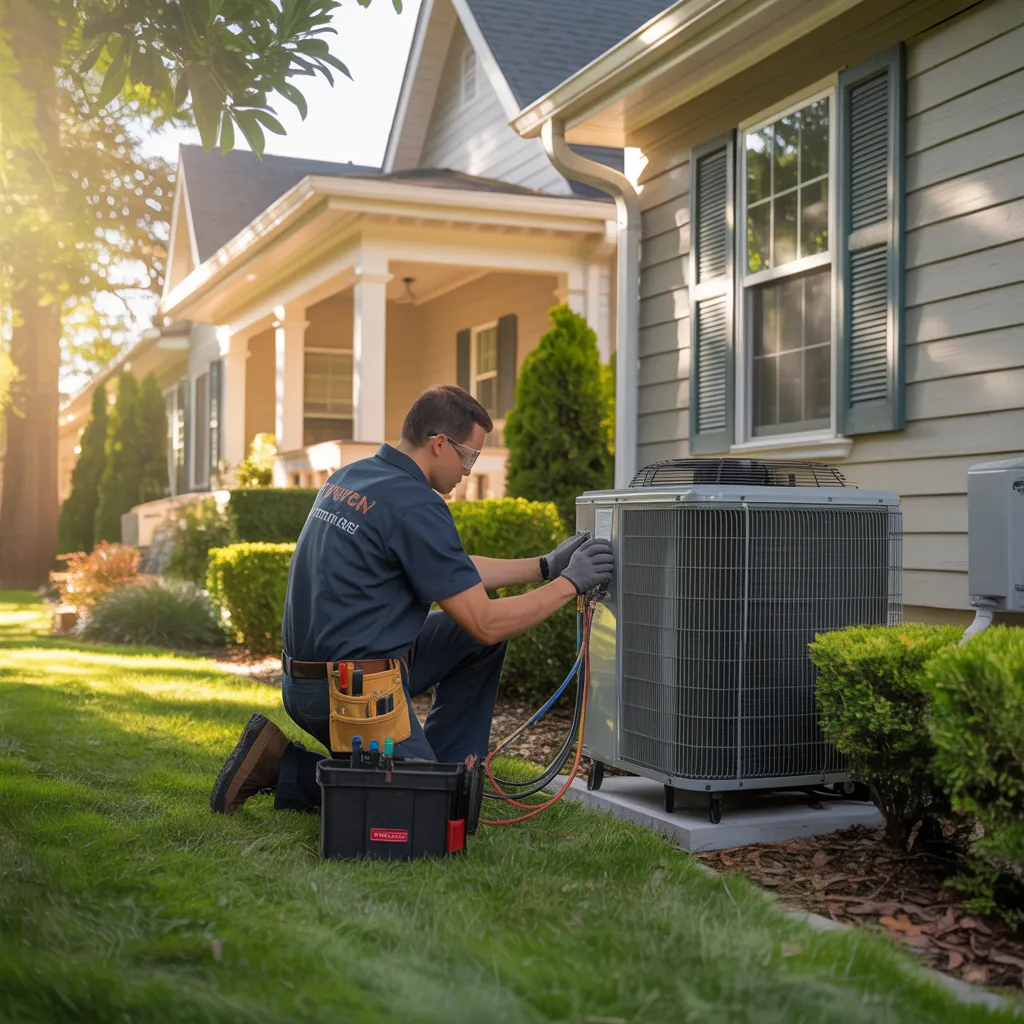
How Expert Installation Guarantees Maximum Efficiency
Expert installation of air conditioning units is critical for attaining maximum performance. When correctly installed, these systems operate effectively, lowering energy expenditure and improving overall performance. Correct unit sizing is paramount; a qualified technician confirms that the AC unit is the correct size for the space, avoiding problems caused by being too large or too small for the space.
Furthermore, professional installers are adept at situating the unit for maximum airflow and efficiency. They further check that all components, including ductwork and refrigerant lines, are correctly placed and sealed. This thorough attention to detail minimizes the chance of air leaks, which can lead to wasted energy and increased utility bills.
Additionally, experienced experts are well-versed in local safety codes and guidelines, guaranteeing adherence to safety requirements. Ultimately, professional system installation not only optimizes system functionality but also extends the lifespan of the air conditioning unit, offering long-lasting advantages for household owners.
Why Quality AC Installation Is Essential for Your Home's Comfort
Expert AC installation greatly enhances a residence's overall comfort by ensuring the system runs at optimal levels. Proper installation is critical for enhancing temperature control, enabling homeowners to sustain a stable climate throughout their living areas. When installed by professionals, cooling systems are calibrated to satisfy particular home requirements, which can significantly minimize climate irregularities.
Moreover, certified experts appreciate the significance of optimal positioning, ensuring that airflow is enhanced and avoiding uneven temperature zones. This strategic positioning results in a significantly improved indoor climate, enabling homeowners to appreciate their surroundings without unpleasant conditions. Furthermore, proficient installation minimizes the risk of operational problems that can contribute to system failures, preserving a reliable source of cooling. At the end of the day, opting for professional air conditioning setup promotes an long-term standard of comfort that enhances the overall home experience, ensuring that households continue to be pleasantly cool, even throughout the most sweltering months.
How Professional Installation Enhances Indoor Air Quality
A properly installed air conditioning system can significantly improve the air quality indoors, creating a healthier living environment. Expert installation ensures that the system operates efficiently and effectively, improving airflow throughout the home. This effectiveness minimizes the collection of dust, allergens, and other contaminants, which can adversely affect respiratory health.
Moreover, a qualified technician will correctly close ducts and connections, reducing the likelihood of leaks that can introduce outside pollutants. They also ensure that filters are correctly installed and maintained, which serves a crucial function in capturing dangerous particles.
Furthermore, skilled technicians can provide guidance on humidity control parameters, which are critical for inhibiting mold development and ensuring optimal comfort. Ultimately, expert installation not only enhances the functionality of the air conditioning system but also greatly contributes to better indoor air quality, cultivating a safer and more pleasant living space for inhabitants.
Frequent DIY AC Installation Errors to Steer Clear Of
Many homeowners attempt DIY air conditioning installation but commonly neglect important considerations. Incorrect sizing of the unit can lead to inefficiencies and discomfort, while improper ductwork installation can restrict airflow and diminish system efficiency. Being aware of these typical pitfalls is vital for ensuring the best possible cooling performance.
Improper Sizing of Unit
Picking the right sized air conditioning unit is vital for optimal performance and energy efficiency. An improperly sized unit can lead to various issues, such as inadequate cooling or excessive energy consumption. Oversized units may cool a space too quickly, causing frequent on-off cycling, which increases wear and tear. In contrast, undersized units have difficulty maintaining desired temperatures, resulting in elevated energy expenses and an uncomfortable environment. Self-installed systems often miss critical factors, such as the dimensions of the area, insulation effectiveness, and the local weather conditions. Experienced installers perform comprehensive evaluations to establish the right unit size, providing the best functionality and lifespan. In the end, choosing the correctly sized air conditioning system creates a more comfortable living space while lowering energy expenses.
Faulty Ductwork Connections
Improper sizing of an air conditioning unit can result in numerous operational problems, but poor ductwork connections represent another common pitfall in DIY installations. Frequently neglected, these connections can significantly affect system efficiency and indoor air quality. Loose or improperly sealed ducts may result in air leaks, causing cold air to escape and increasing energy costs. Moreover, improper connections can cause inconsistent cooling throughout the home, generating uncomfortable living situations. Professional installers possess the expertise to guarantee that all ductwork is properly connected and sealed. This thoroughness not only boosts system performance but also lengthens the lifespan of the air conditioning unit, making it a beneficial investment for homeowners looking for reliable and effective cooling solutions.
How to Select the Best Professional for AC Installation
How can one guarantee they select the right professional for air conditioning installation? The first step is to conduct thorough research on prospective contractors. Checking online reviews and asking for referrals from friends or family members can offer helpful information about their dependability and work quality. Additionally, confirming their qualifications by checking that they are properly licensed and insured will safeguard homeowners against potential liability concerns.
In addition, acquiring several quotes provides the ability to compare costs and offerings, allowing you to recognize competitive rates. Be sure to request information on the installation process and any warranties offered, as these factors demonstrate how committed the contractor is to client satisfaction.
Finally, trust your instincts; a professional who responds to questions clearly and communicates effectively is likely to provide a positive experience. By taking these measures, homeowners can make informed decisions, ensuring their air conditioning system is installed correctly and efficiently.
How Hiring Professionals Saves You Money Over Time
Opting for professional air conditioning installation can lead to significant savings over time. By ensuring that the system is correctly installed, experts work to optimize system efficiency, which lowers energy costs in the long run. A correctly fitted system runs at maximum efficiency, avoiding the excessive energy consumption that commonly stems from DIY installations or unqualified work.
In addition, expert installation typically offers guarantees that safeguard against future repair costs. Such protection minimizes the economic stress linked to unforeseen malfunctions. Skilled installers further carry out thorough assessments of the property, identifying the right equipment size and functions that address specific needs, further enhancing overall performance and efficiency.
In the end, selecting expert AC installation services not only reduces operational costs but also extends the lifespan of the unit. Residents are able to experience a comfortable environment without taking on needless expenditures, making professional installation a wise investment for sustainable financial benefits.
Frequently Asked Questions
What Should I Expect During the Installation Process?
In the installation procedure, homeowners should anticipate a preliminary evaluation, precise measurements, equipment installation, duct modifications, and thorough testing. Technicians ensure peak performance while following safety standards, usually completing the work within a couple of hours.
What Is the Typical Duration of a Professional AC Installation?
A professional air conditioning installation typically takes between four to eight hours, based on the complexity of the system and the size of the home. Variables including existing ductwork conditions and the installation setting can further impact the overall timeframe.
Are Permits Needed for Installing Air Conditioning?
Permits are usually necessary for air conditioning installation, depending on the location. Homeowners are advised to check local regulations to confirm adherence to the rules, as securing the required permits can avoid potential legal problems and confirm the installation adheres to safety standards.
What Warranties Come With Professional Installation Services?
Professional installation services typically include warranties covering both labor and components, guaranteeing coverage against potential defects. These warranties may vary in duration and terms, providing homeowners peace of mind concerning the efficiency and reliability of their AC systems.
Can I Install an AC Unit in Any Room?
An air conditioning unit may be installed in most rooms, as long as there is adequate ventilation and electrical capacity. Nevertheless, aspects like room size, sunlight exposure, and layout should influence the placement decision for maximum efficiency.